

Specialized respiratory care where residents need it most.
Preferred Pulmonary Care provides on-site specialty care for residents with COPD, ventilator or NIV dependence, tracheostomies, and OSA.
Preferred Pulmonary Care brings specialized respiratory care directly into skilled nursing and long-term care facilities. Our goal is to empower facilities to manage medically complex residents more effectively, identify respiratory decline earlier, strengthen treatment plans, optimize facility reimbursement and reduce unnecessary disruption from off-site appointments and avoidable hospital transfers.
Services include:
Ventilator Unit directorship
Evaluation of smokers and patients with respiratory symptoms for COPD and Asthma
PDPM documentation and classification
COPD and chronic respiratory disease management
Complex NIV, CPAP, BiPAP management
Tracheostomy and ventilator management
Ventilator-weaning support and protocols
Respiratory medication and treatment optimizatio
Pulmonary consultations and routine follow-up
Post-hospital pulmonary follow-up
Prompt evaluation of acute respiratory changes
Coordination of imaging, testing, respiratory equipment, and outside services
Education and clinical support for nursing and respiratory staff
Pulmonary Specialty Care for Nursing Facilities

We partner with skilled nursing facilities, long-term care communities, ventilator facilities, assisted living facilities, respiratory therapy teams, medical directors, primary care providers, nursing staff, residents, and families.
Our clinicians become an extension of the facility’s existing care team. We collaborate with the professionals already involved in each resident’s care rather than replacing the resident’s primary provider or facility medical leadership.
Who do we work with?
We are the experts in Ventilator and complex NIV programs and the evolving regulatory environment. We also provide specialty care for COPD and all general pulmonary conditions and will help you manage these conditions in your facility while assisting in accurate PDPM classifications. Residents in nursing facilities often have multiple chronic illnesses, cognitive or functional limitations, and difficulty attending outside specialist appointments. On-site pulmonary care gives residents access to specialty expertise without the burden of transportation and allows recommendations to be developed within the resident’s actual care environment.
Our program is designed to help facilities:
Improve treatment of complex pulmonary conditions
Strengthen continuity following hospitalization
Support nursing and respiratory therapy staff
Reduce fragmented care and unnecessary transportation
Improve resident and family confidence
Strengthen ventilator and tracheostomy programs
Capture accurate PDPM classification
Support hospitalization, readmission, and quality-performance goals
What services do we provide?
Why partner with Preferred Pulmonary Care?
Preferred Pulmonary Care brings specialized respiratory care directly into skilled nursing and long-term care facilities. Our goal is to empower facilities to manage medically complex residents more effectively, identify respiratory decline earlier, strengthen treatment plans, optimize facility reimbursement and reduce unnecessary disruption from off-site appointments and avoidable hospital transfers.
Why is pulmonary care so important?
Respiratory disease represents a significant clinical challenge in nursing facilities. A large study found that 21.5% of nursing-home residents had a documented COPD diagnosis. Among those residents, 17% received no respiratory medication, and 22% experienced at least two COPD exacerbations during a 12-month period. Reviews of COPD care in long-term care have concluded that the condition may be underrecognized, underdiagnosed, and undertreated. (PubMed)
Respiratory conditions are also closely connected to hospital utilization. COPD and pneumonia are included among the conditions monitored through Medicare’s Hospital Readmissions Reduction Program, reflecting their importance as causes of potentially preventable readmissions. (Centers for Medicare & Medicaid Services)
A CMS-supported nursing-home clinical initiative that embedded advanced clinicians and structured early-intervention support reported:
40%
fewer all-cause hospitalizations
58%
fewer potentially avoidable hospitalizations
54%
fewer all-cause emergency-department visits
65%
fewer potentially avoidable emergency-department visits
These outcomes came from a comprehensive multidisciplinary model and should not be interpreted as guaranteed results from pulmonary consultations alone. However, they demonstrate the potential value of bringing experienced clinicians into nursing facilities, identifying changes earlier, and treating appropriate conditions before hospitalization becomes necessary. (PubMed Central (PMC))
Hospitalization performance is increasingly important financially as well as clinically. For fiscal year 2027, the CMS Skilled Nursing Facility Value-Based Purchasing Program evaluates facilities using eight measures, including 30-day readmissions, healthcare-associated infections requiring hospitalization, and hospitalizations among long-stay residents. CMS withholds 2% of Medicare fee-for-service Part A payments to fund the program and redistributes a portion through performance-based incentive payments. (Centers for Medicare & Medicaid Services)
What specialized support do we provide for ventilator facilities?
Preferred Pulmonary Care supports nursing facilities caring for ventilator-dependent and tracheostomy residents. This may include pulmonary oversight, development and review of treatment plans, ventilator-weaning collaboration, management of chronic respiratory failure, and support for nursing and respiratory therapy teams.
Ohio’s Nursing Facility Ventilator Program requires facilities providing ventilator-weaning services to maintain a weaning protocol established by a physician trained in pulmonary medicine who is available by telephone around the clock while weaning services are being provided. The program also includes respiratory-professional coverage, clinical staffing, reporting, and ventilator-associated pneumonia monitoring requirements. (Ohio Laws)
Our Team
Stephen Major, MD
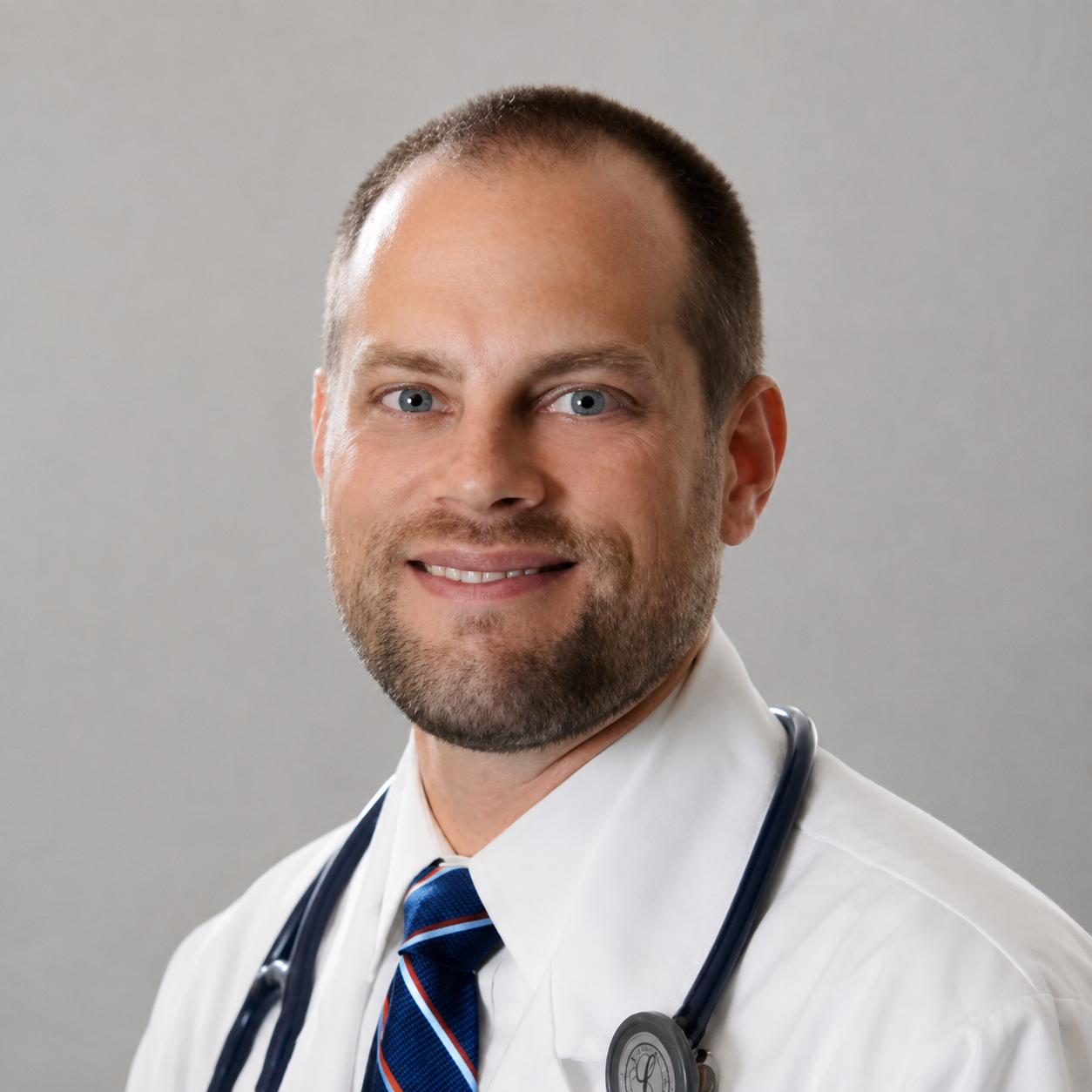
Stephen Major, MD, is a fellowship-trained pulmonary and critical care physician. He is board certified by the ABIM in Internal Medicine, Pulmonary Disease, and Critical Care Medicine.
Before pursuing a career in medicine, he trained as a physical therapist at The Ohio State University and worked as a licensed PT during medical school. When he is not pursuing his passion to push the boundaries of pulmonary and critical care medicine for the benefit of long-term care residents, he is traveling with his wife and three children to explore the mountains or enjoying local mountain biking trails in the summer and ice hockey in the winter.
George Knight, CNP
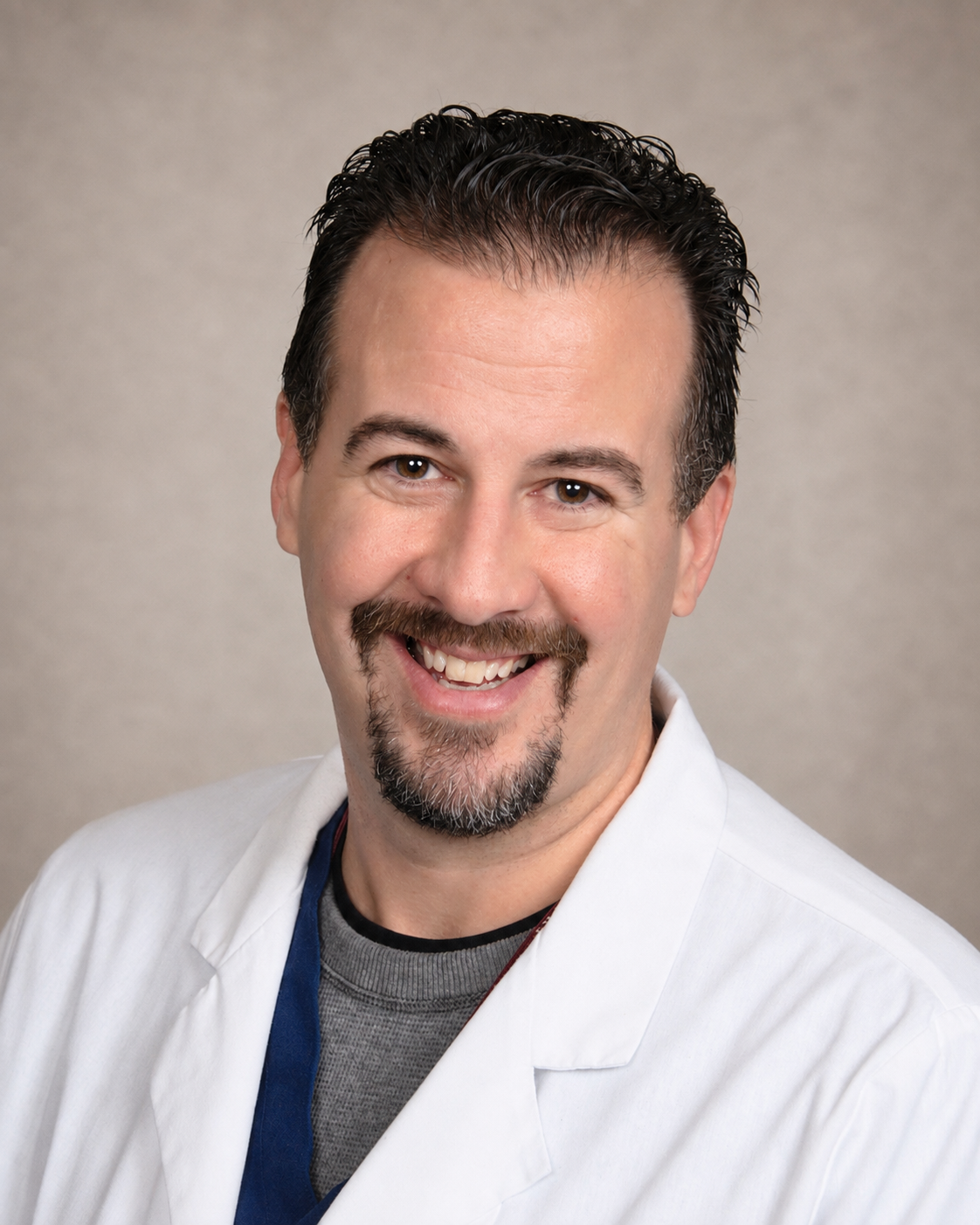
George Knight, CNP, is a Cincinnati-based nurse practitioner and healthcare leader with more than 28 years of experience in geriatric care. A University of Cincinnati graduate, he has provided primary care in private homes, assisted living communities, and skilled nursing facilities throughout Greater Cincinnati since 1998.
His clinical expertise includes complex geriatric care, cognitive disorders, Alzheimer’s disease, and helping older adults maintain their health and independence.
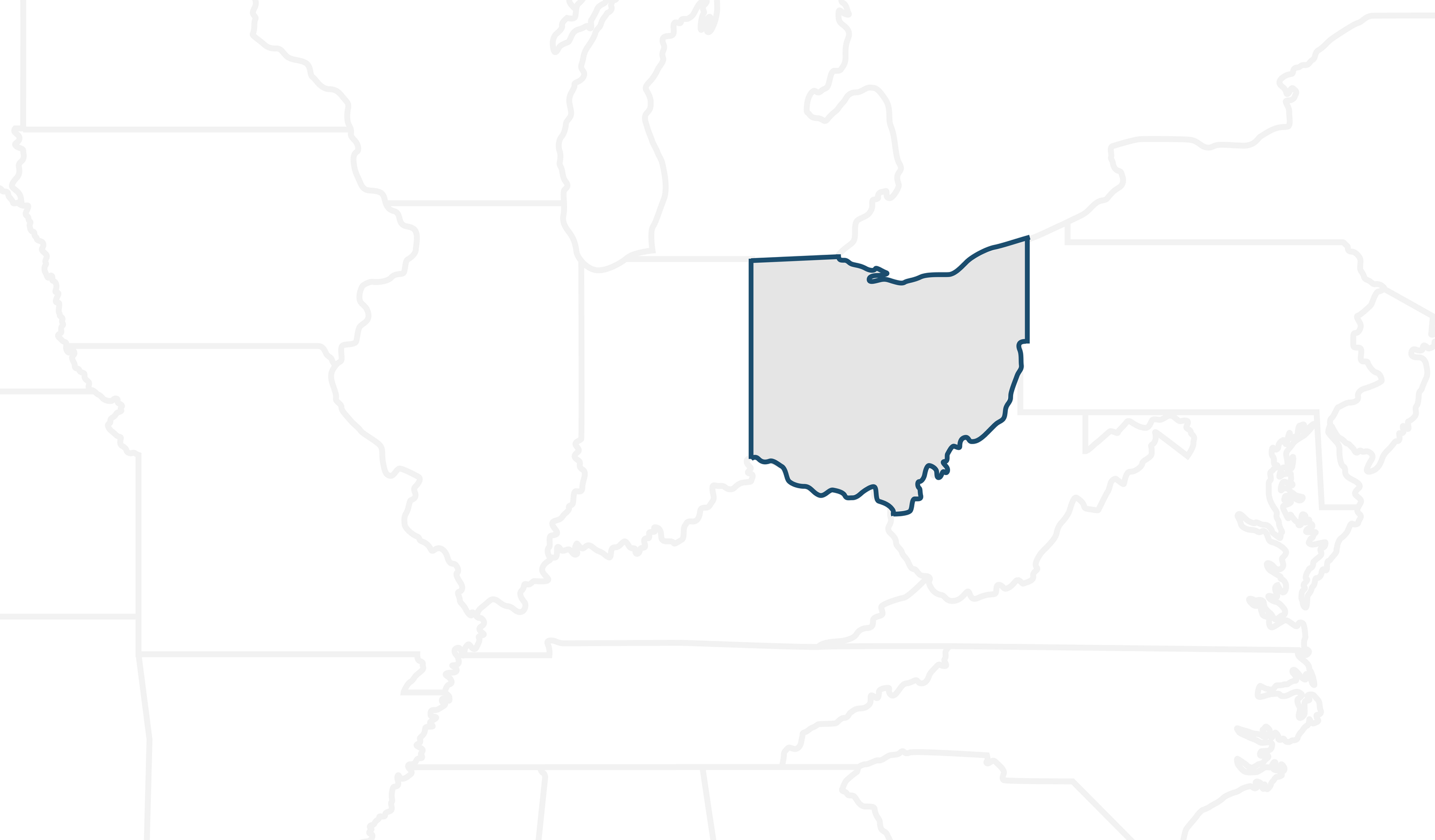
Statewide Reach, Local Responsiveness
We partner with skilled nursing and long-term care facilities in every corner of Ohio, bringing the same fast, reliable pulmonary care no matter where you're located.